Professional Roofer Providing Quality Roof Services
Enlisting a qualified roofing expert represents a strategic decision for residents pursuing excellent roof services. These professionals ensure adherence with area construction standards but also grant access to superior materials. Their ability to spot and fix emerging concerns ahead of time can save substantial costs and time. Learning about the various roofing options offered and the perks can elevate this process. What factors should homeowners take into account when selecting the suitable expert for their wants?
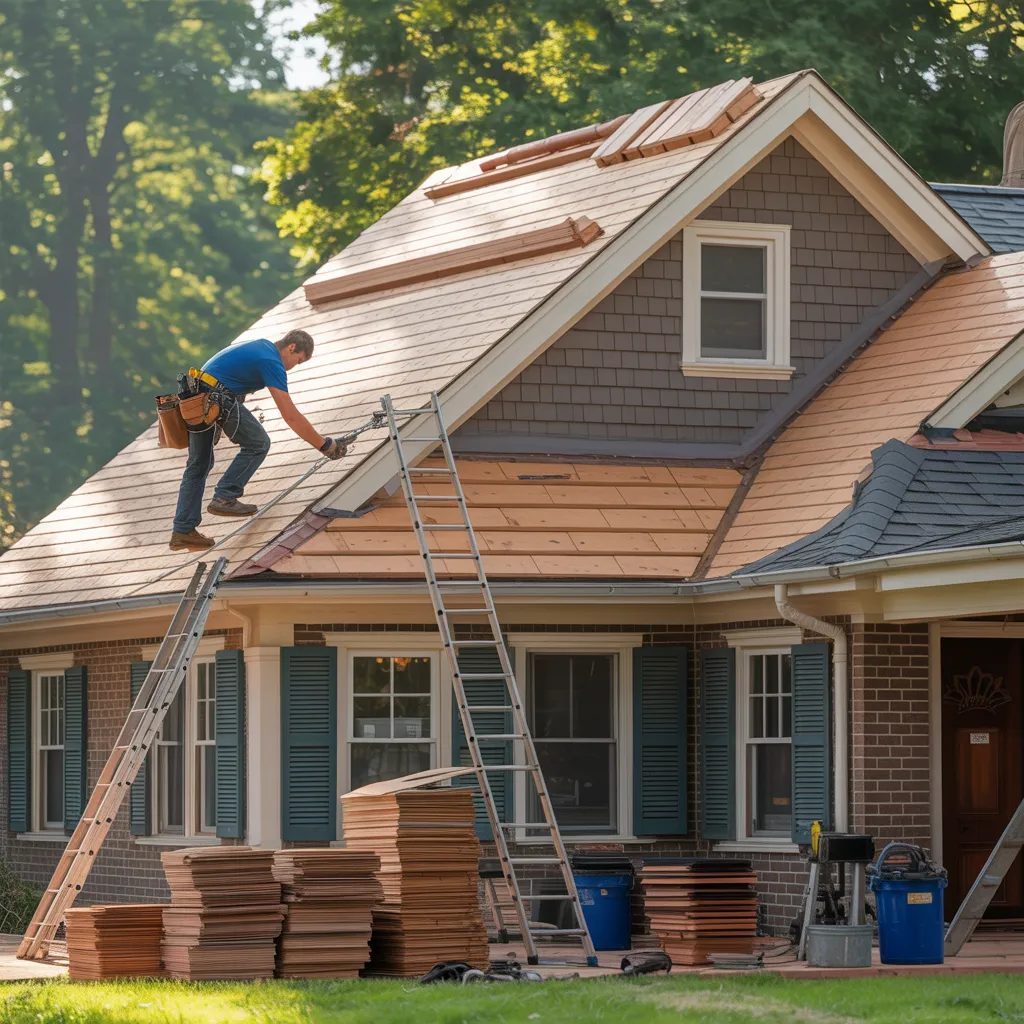
Why You Should Employ a Professional Roofer
When contemplating a roofing project, enlisting a professional roofer guarantees both quality and safety. Certified roof specialists have the necessary training and expertise to manage various roof difficulties efficiently. Their experience enables them to recognize potential issues in advance of they become severe, providing long-term longevity. In addition, they are knowledgeable in neighborhood construction codes and regulations, which minimizes the potential of legal disputes.
Additionally, expert roofers have access to premium materials that may not be obtainable by the typical homeowner, improving the general performance of the roof structure. They also offer guarantees that can offer confidence and assurance, safeguarding the investment made in the roof work. Importantly, protection is paramount; professional roofers are equipped with the right tools and protective equipment to perform their work without risking harm. To summarize, employing a qualified roof specialist is a prudent decision for achieving a reliable and safe roofing solution.
Your Manual to Top Roofing Materials and Their Benefits
A broad range of roof choices are present, each delivering distinct benefits suited to various requirements and preferences. Asphalt shingles rank among the most popular because of their affordability, ease of installation, and variety of colors. Metal roofing, recognized for its longevity and resistance to extreme weather, furthermore bounces heat, making it economical. Slate tiles deliver a enduring aesthetic and remarkable longevity, while clay tiles supply excellent insulation and are able to endure harsh climates.
For those looking for eco-friendly options, rubber materials is gaining momentum; it copies the feel of more costly goods and is produced from reclaimed products. Wooden shakes supply consult this source a natural, vintage look but demand greater maintenance. Lastly, synthetic roofing materials combine the superior aspects of traditional materials, providing flexibility and toughness. Each substance contributes unique advantages, ensuring it's necessary for homeowners to review their goals and consult with experts when selecting the optimal roof option.
Common Roofing Issues and How Experts Address Them
Frequent roofing issues, such as water seepage and water damage, can cause significant building damage if not handled promptly. Additionally, absent or deteriorated shingles compromise the roof's integrity and subject the home to additional hazards. Professionals employ multiple methods to identify and resolve these concerns, guaranteeing long-lasting protection and peace of mind for homeowners.
Leaks and Liquid Damage
Leaks and water damage bring about major obstacles for homeowners, often spurring high-priced fixes and architectural concerns. These troubles frequently originate from a collection of origins, including weakened materials, incorrect installation, or even dangerous weather situations. Water passage can harm insulation, stimulate mold spread, and lessen structural robustness. Experienced roofers adopt contemporary practices to discover and address leaks productively. They complete careful examinations to determine susceptible regions, utilizing tools such as moisture meters and infrared cameras. Once uncovered, they establish focused approaches, which may include sealing, flashing replacement, or, in severe cases, partial roof replacement. By fixing leaks right away, professionals serve property owners reduce deterioration, providing continuing protection and peace of mind.
Absent or Broken Shingles
Roofing challenges often present through missing or damaged shingles, which can compromise a home's protective barrier. These defects leave vulnerable the underlying structure to environmental factors, potentially leading to leaks and additional damage. Professionals typically execute thorough inspections to pinpoint the extent of the damage. They might suggest substituting single shingles or entire sections, depending on the severity. Using superior-grade materials, skilled contractors guarantee correct placement to avoid subsequent problems. Additionally, they assess the roof's general state to address any underlying problems, such as poor ventilation or structural vulnerabilities. Consistent upkeep and prompt remedies are essential in preserving a roof's integrity, ultimately protecting the home against water intrusion and other environmental hazards.
Evaluating the Top Roofing Solution for Your Home
If you are picking the ideal roofing alternative for a home, it is essential to evaluate your specific roofing requirements initially. Understanding the selection of roofing materials on the market and their prices can impact the decision-making process significantly. Budget considerations also serve an important function in ensuring that the chosen solution meets both visual and practical requirements.
Determining Your Roof Demands
How can one decide on the most ideal roofing choice for their home? To evaluate roofing needs, start by studying the home's structure and the local climate. Homeowners should take into account criteria including energy efficiency, durability, and maintenance considerations. A comprehensive inspection of the existing roof can uncover potential problems that might impact the decision of materials. Moreover, monetary limits play a important role; understanding the long-term financial impact compared to initial expense is vital. Consulting a licensed roofer can provide helpful advice and suggestions tailored to unique needs. Ultimately, the decision must combine design choices with operational demands, ensuring the chosen roofing choice increases the home’s value while providing durable defense.
Material Selection Review
Selecting the appropriate roof options represents a critical component of the complete roofing process. Homeowners should evaluate alternative choices, all featuring unique strengths and weaknesses. Asphalt shingles remain popular due to their low cost and straightforward installation, whereas metal roofing delivers strength and power efficiency. Clay and concrete tiles offer an sophisticated, enduring choice, particularly well-suited for warm climates. Wood shakes deliver a natural character yet require additional care. Synthetic options, including rubber or plastic, replicate classic designs while offering greater lifespan. Furthermore, sustainability concerns may inspire certain homeowners to discover eco-friendly solutions such as green roofs or recycled content. In conclusion, determining the optimal roofing material copyrights on the home's aesthetic, climate conditions, and individual tastes.
Spending Aspects Broken Down
Creating a budget for a roofing project typically demands detailed thought of numerous factors to ensure homeowners select the best option for their needs. To begin with, material selection greatly impacts both initial costs and the long-term durability of the roof. Asphalt shingles may be budget-friendly, but metal or tile alternatives might deliver improved lifespan at a greater expense. Additionally, labor costs can vary depending on the contractor’s expertise and the complexity of the task. Homeowners should also consider potential hidden expenses like structural repairs or permits. Finally, considering long-term savings via energy efficiency and warranties will aid in choosing wisely that weighs upfront investment with future benefits.
A Guide to What Happens During the Roofing Process
Understanding the fundamentals of the roofing process can greatly enhance a homeowner's experience when undertaking a roofing project. In the beginning, homeowners should expect to receive a comprehensive review of the existing roof to pinpoint its quality and the necessary repairs or replacements. Following the analysis, a thorough estimate will outline the scope of work, building supplies, and timeline.
Once the project commences, homeowners can anticipate an organized setup with protective measures in place to protect their property. The roofing crew will strip away old materials, examine the underlying structure, and apply new roofing systems according to industry standards. Communication is vital, as homeowners should expect updates on advancement and any unforeseen issues.
Ultimately, the project concludes with an exhaustive inspection to guarantee performance and compliance to requirements. Homeowners should further get upkeep tips to extend the life of their modern roof, reinforcing the importance of understanding the full roof journey.
Why Consistent Roof Inspections Matter
Although many property owners may overlook roof upkeep, regular inspections are indispensable for sustaining the soundness and longevity of a roof. These inspections help identify minor problems before they worsen into expensive repairs. By recognizing issues like leaks, loose shingles, or moss growth early, homeowners can save both time and money.
In addition, routine inspections guarantee that the roof meets local building codes and regulations, which can avert future setbacks during property transactions. Seasonal changes can take a toll on roofing materials, making it essential to monitor wear and tear.
Moreover, a well-maintained roof enhances the overall visual attractiveness of a home and contributes to its market value. Engaging in regular check-ups not only supports the structural integrity of the property but also provides reassurance for homeowners. Ultimately, emphasizing roof inspections is a preventative strategy to home maintenance that pays dividends in the long run.
Discovering and Hiring a Experienced Roofer Nearby
By understanding the weight of regular roof check-ups, homeowners commonly engage capable technicians for maintenance and repairs. Selecting a qualified roofer in their area can feel intimidating; however, a few key strategies can simplify the process.
Beginning with, dwelling owners should inquire for referrals from friends, family, or neighbors who have lately finished roof services done. Online reviews and ratings on channels like Google and Yelp can also present valuable insights into a roofer's image.
After a list of potential candidates is assembled, homeowners should verify credentials, including permits and protection. Requesting multiple quotes enables them to compare prices and services offered.
Moreover, asking about protection plans and promises can help assure enduring performance. By following these steps, homeowners can confidently hire a professional roofer who meets their particular requirements, ensuring their roofs stay in optimal shape for years to come.
Frequently Asked Inquiries
What Qualifications Should I Look for in a Expert Roofer?
When selecting a competent roofing professional, it's important to prioritize competencies like valid licenses, insurance coverage, extensive experience, positive customer reviews, and conformity with industry standards. These considerations guarantee solid craftsmanship and mitigation of potential liabilities.
What represents the Timeline for a Common Roofing Project to Be Completed?
A standard roof installation generally takes between one to three days depending on the size and complexity of the roof, atmospheric factors, and the team's productivity. Bigger or more intricate roofs may require extra days.
Are Roofing Guarantees Transferable if I Sell Off My Home?
Roofing guarantees are commonly transferable, but different requirements take effect. Property owners should look at the guarantee terms for details on transferability, as some companies insist on notification and may have transfer deadlines for the transfer process.
What can I Do if I Detect Roof Injury After a Storm?
If roof damage is suspected after a storm, the homeowner should inspect the roof for visible issues, document any harm, and contact a professional for an assessment to identify necessary repairs and avoid further issues.
How Do I Protect My Roof in Good Condition Between Expert Reviews?
Regularly inspect the roof for debris, check for damaged shingles, and clean gutters to prevent water buildup. Address small issues promptly and watch for signs of leaks or wear between professional inspections.